Ergonomic Office Chairs: The Adjustments Worth Paying For
Fit the chair to the person and desk instead of shopping by the word ergonomic.
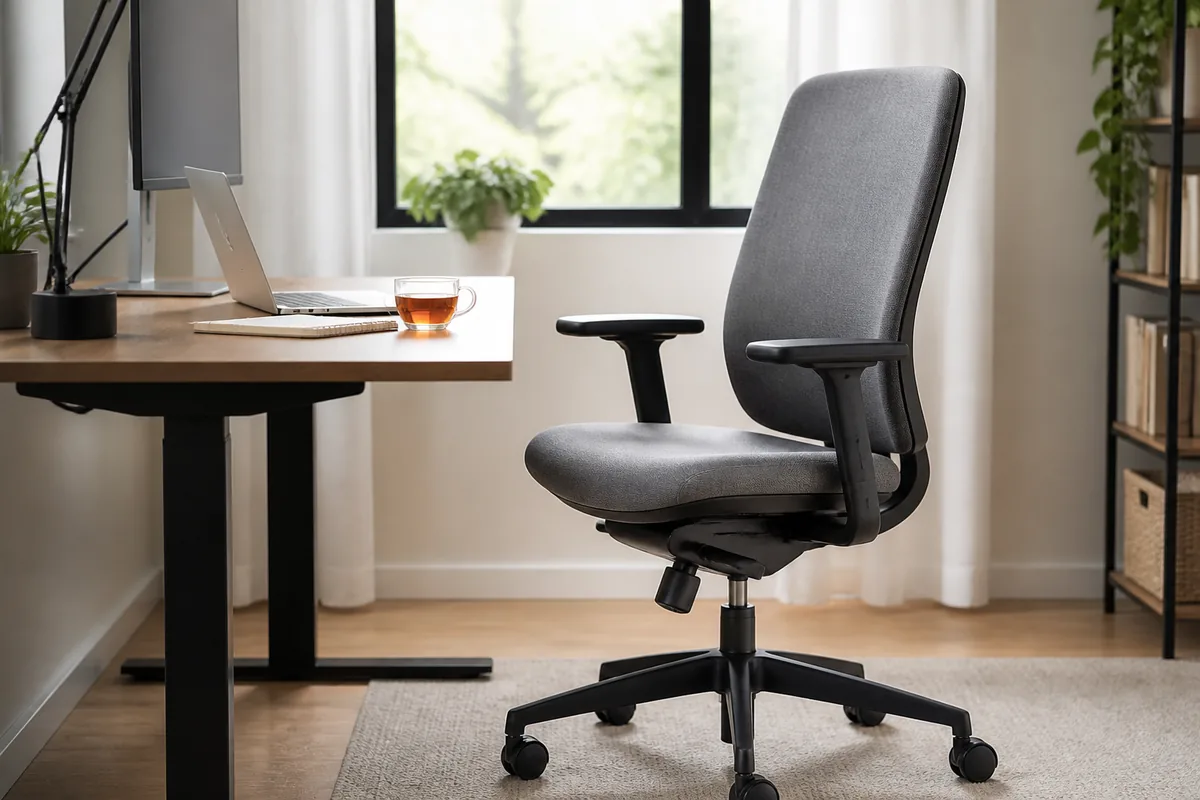
One partner uses the office in the morning and another logs on after lunch. Their heights, preferred recline, and desk positions differ. A chair with fixed arms may work for one person and block the other from reaching the desk.
Prioritize seat height range, usable seat depth, supportive recline, and arms that clear the desk. Adjustable features matter only when they cover the user's body and workspace.
Measure the Room You Actually Use
Record seated knee-to-floor height, space behind knees, desk underside clearance, and the doorway. Compare the chair at minimum and maximum settings.
What Matters Before You Compare Products
- Feet supported with thighs comfortable
- Back support that follows a range of working postures
- Arms that support shoulders without preventing desk access
A useful shortlist should solve a specific routine rather than chase the longest feature list. The three formats below cover different household patterns; none is automatically best for everyone.
Three Smart Ways to Shop This Category
Adjustable task chair with seat-depth control
Seat depth helps different leg lengths use the back support.
Tradeoff: More controls require setup and occasional readjustment.
Browse current optionsCompact armless task chair
It tucks away easily and avoids arm-to-desk conflicts.
Tradeoff: It offers less upper-body support for long days.
Browse current optionsMesh-back adjustable chair
The back feels breathable and often flexes with movement.
Tradeoff: Mesh tension and edge feel are highly personal.
Browse current optionsA Practical Plan Before Checkout
- Use retailer measurements to check body fit before style.
- Set height and depth first, then back and arms.
- Choose a return policy that allows a real workday trial.
Common Buying Mistakes
- Buying from a tall backrest alone
- Using a thick loose cushion that defeats the controls
- Ignoring whether armrests fit under the desk
The PickAbode Verdict
Seat-depth and arm adjustment are worth paying for in a shared or full-time office. A simple compact chair is adequate only for genuinely short sessions.
Before purchasing, confirm current dimensions, materials, care instructions, delivery terms, returns, warranty, and availability on the retailer or manufacturer page. Product listings and inventory can change after this guide is updated.
Frequently Asked Questions
Is mesh better than fabric?
Neither is universal. Mesh can feel cooler; padded fabric can distribute pressure differently. Fit comes first.
Do I need a headrest?
Many task postures do not use one. It is useful only if it meets the user comfortably without pushing the head forward.
How long should a chair last?
It depends on construction, use, maintenance, and parts availability. A clear warranty and replaceable components are useful signals.