Backyard Bird Feeders: Choose for Cleaning, Placement, and the Birds You Actually See
A feeder is a small routine, not a set-and-forget garden ornament.
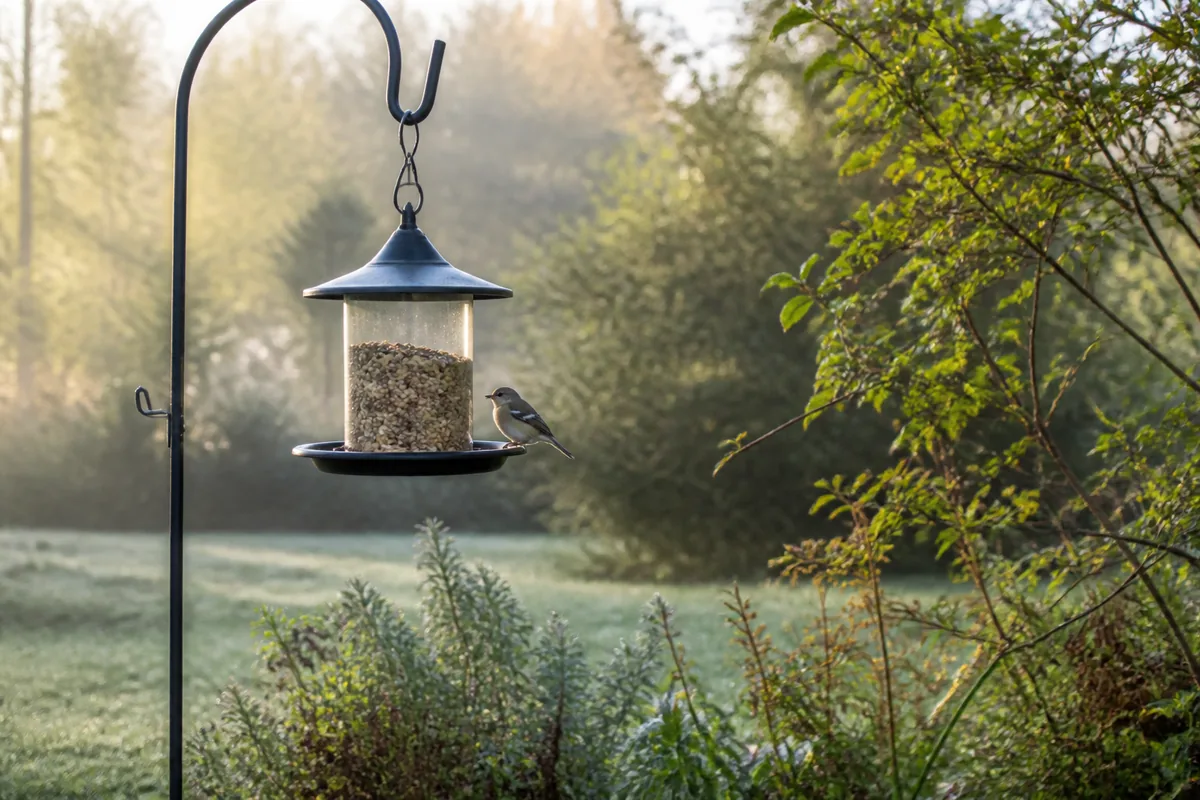
The feeder looks charming for a week, then wet seed collects in a corner and spilled hulls gather beneath it. A design that opens fully and a placement that is easy to reach make the difference between a habit and a neglected object.
Choose a feeder that comes apart without tools, drains well, and suits locally common birds. Place it where you can refill and clean it safely while following current wildlife-health guidance.
Measure the Room You Actually Use
Check pole or branch capacity, refill height, distance from windows and predators, and the ground surface below. Local recommendations may change during disease events.
What Matters Before You Compare Products
- Tool-free disassembly and smooth cleanable surfaces
- Drainage that keeps seed from staying wet
- A location visible to birds but practical for ongoing care
A useful shortlist should solve a specific routine rather than chase the longest feature list. The three formats below cover different household patterns; none is automatically best for everyone.
Three Smart Ways to Shop This Category
Simple tube feeder
The narrow body protects seed and can serve several small birds.
Tradeoff: Ports and the base still need thorough cleaning.
Browse current optionsHopper feeder with removable base
It offers shelter and a landing area while holding more seed.
Tradeoff: More seed can remain damp if drainage is poor.
Browse current optionsCaged feeder
The outer cage changes which birds can reach the inner tube.
Tradeoff: It adds surfaces to clean and does not solve every wildlife conflict.
Browse current optionsA Practical Plan Before Checkout
- Identify frequent local birds before choosing seed or ports.
- Set a recurring cleaning reminder.
- Follow wildlife and public-health guidance for temporary feeder removal.
Common Buying Mistakes
- Placing a feeder where a ladder is needed for every refill
- Letting wet or moldy seed remain
- Assuming one design excludes every squirrel or larger bird
The PickAbode Verdict
The best first feeder is a simple model you can open, scrub, dry, and refill comfortably. Capacity matters less than a reliable care routine.
Before purchasing, confirm current dimensions, materials, care instructions, delivery terms, returns, warranty, and availability on the retailer or manufacturer page. Product listings and inventory can change after this guide is updated.
Frequently Asked Questions
How often should feeders be cleaned?
Follow current guidance from local wildlife authorities and clean sooner when seed becomes wet or contaminated.
Where should it go near windows?
Window-strike guidance depends on distance and treatment. Consult a recognized bird-safety organization for placement.
What seed should I buy?
Match seed to locally common species and avoid more volume than the birds can use while it stays fresh.