Raised Garden Beds: Choose the Size Around Reach, Soil, and Your Saturday Routine
A bed that is easy to weed and water will outlast an ambitious garden plan.
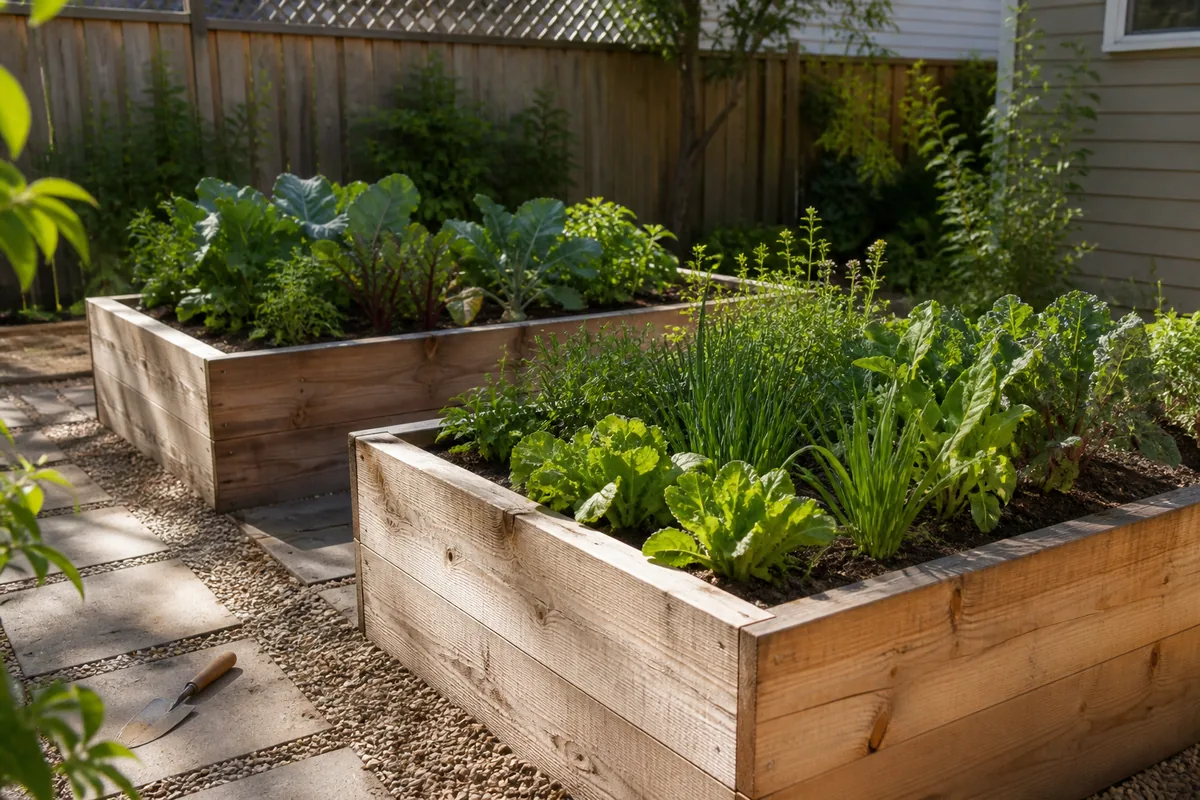
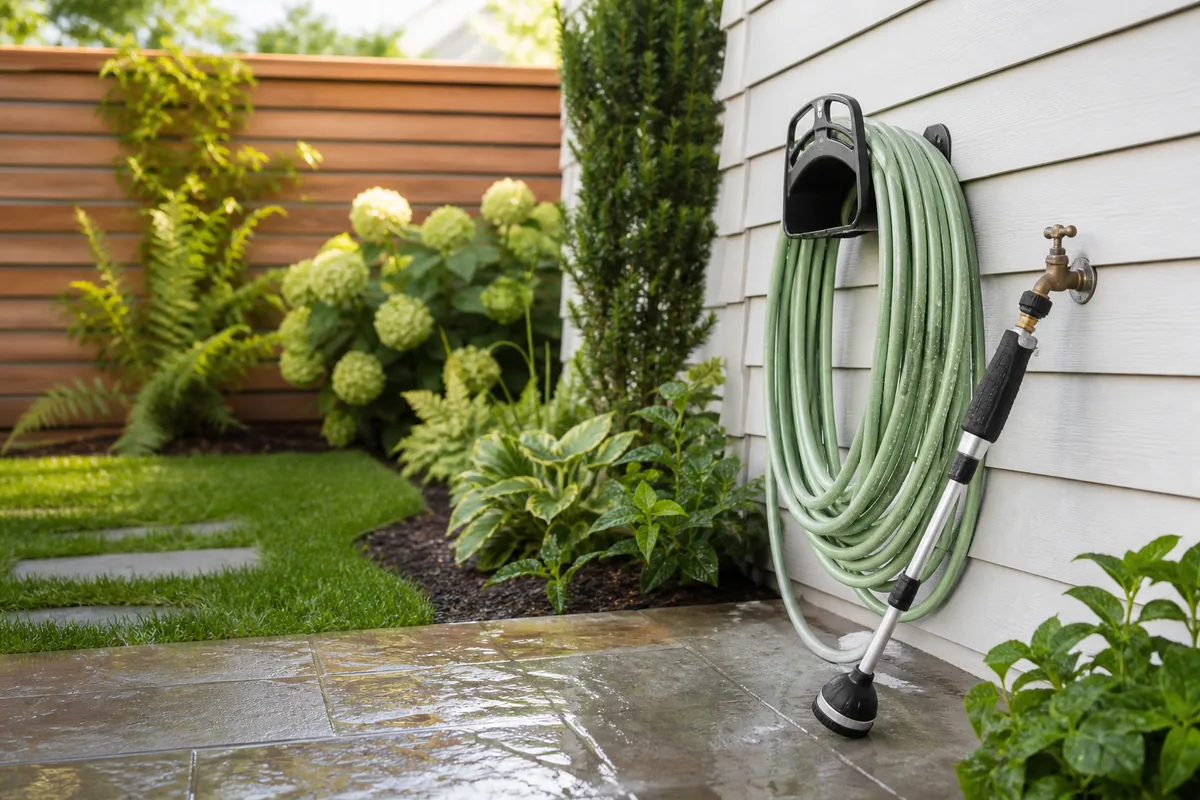
In early spring, a long bed promises a full harvest. By midsummer, reaching the center means leaning on the soil and dragging a hose around two corners. The best garden is the one that still feels manageable on a hot Saturday.
Size the bed so every planting area is reachable from a path, place it where water access is simple, and choose height based on mobility and soil volume rather than appearance alone.
Measure the Room You Actually Use
Map sun through the growing season, hose reach, path width, and the volume of soil required. Check underground services and local rules before anchoring or digging.
What Matters Before You Compare Products
- Reach to the center without stepping on soil
- Material durability in local moisture and temperature
- A realistic soil-filling and renewal plan
A useful shortlist should solve a specific routine rather than chase the longest feature list. The three formats below cover different household patterns; none is automatically best for everyone.
Three Smart Ways to Shop This Category
Low cedar bed
It defines soil while keeping material and fill needs moderate.
Tradeoff: It offers limited bending relief and wood needs weather consideration.
Browse current optionsTall galvanized bed
Extra height can make routine care more comfortable.
Tradeoff: It requires much more fill and can heat differently in strong sun.
Browse current optionsNarrow elevated planter
It brings a small crop to standing height with little ground work.
Tradeoff: Low soil volume dries faster and suits fewer plants.
Browse current optionsA Practical Plan Before Checkout
- Watch the site at several times on a clear day.
- Calculate fill volume before selecting height.
- Create a watering route that does not cross the main path.
Common Buying Mistakes
- Making the bed too wide to reach the center
- Using unknown treated materials around edible crops
- Underestimating soil weight on decks or roofs
The PickAbode Verdict
A modest, reachable bed near water produces a better daily experience than the largest possible bed. Elevated planters are ideal for herbs, not a substitute for deep soil crops.
Before purchasing, confirm current dimensions, materials, care instructions, delivery terms, returns, warranty, and availability on the retailer or manufacturer page. Product listings and inventory can change after this guide is updated.
Frequently Asked Questions
What should line the bottom?
The answer depends on site, pests, drainage, and material. Avoid barriers that trap water and follow local gardening guidance.
Does a raised bed need full sun?
Crop needs vary. Observe the site and match plants to its actual light.
How much soil is needed?
Calculate internal length × width × filled depth, then allow for settling rather than guessing from outer dimensions.