Solar Path Lights: Plan for Safe Steps, Not an Airport Runway
Subtle placement and realistic sun exposure create a more useful garden at night.
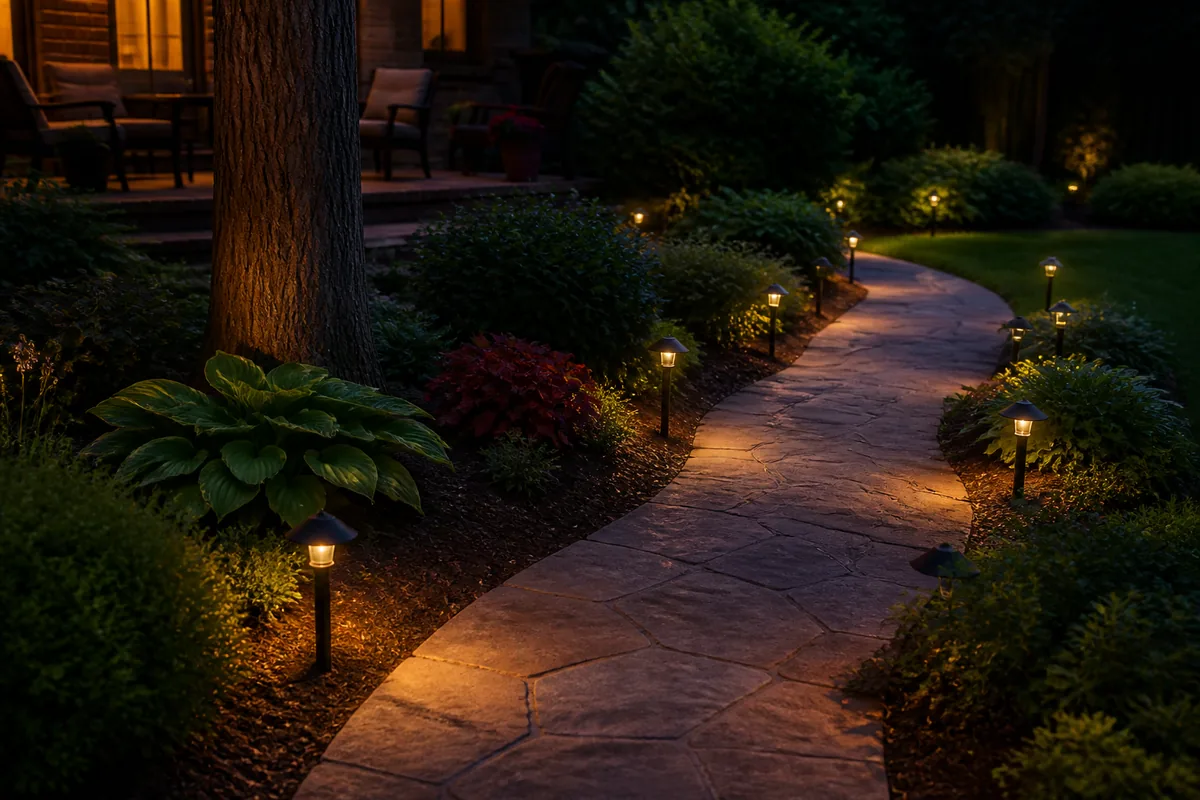
Guests leave after dinner and the first two steps are clear, but a bright row of lights flattens the garden while the shaded turn remains dark. More fixtures are not automatically safer or more attractive.
Light changes in level, turns, and path edges first. Check the panel's real sun exposure and choose warm, shielded light that points down rather than into eyes or windows.
Measure the Room You Actually Use
Walk the path after dark, mark hazards, and note where shrubs or roofs shade potential panels. Check stake depth against irrigation and buried services.
What Matters Before You Compare Products
- Downward beam control and comfortable brightness
- Panel exposure in the season with shortest days
- Replaceable batteries or serviceable parts where available
A useful shortlist should solve a specific routine rather than chase the longest feature list. The three formats below cover different household patterns; none is automatically best for everyone.
Three Smart Ways to Shop This Category
Low shielded path lights
They direct light at the ground and reduce glare.
Tradeoff: Low fixtures can be hidden by fast-growing plants.
Browse current optionsSolar step lights
They mark edges without filling the whole garden with light.
Tradeoff: Mounting locations and building rules need review.
Browse current optionsRemote-panel solar lights
The panel can collect sun away from the light location.
Tradeoff: A cable must be routed and protected neatly.
Browse current optionsA Practical Plan Before Checkout
- Photograph the path at night before buying.
- Start with hazards and add atmosphere only if needed.
- Re-check aim after plants grow or seasons change.
Common Buying Mistakes
- Placing identical bright lights at very close intervals
- Aiming light into bedrooms or neighbors' property
- Staking without checking irrigation lines
The PickAbode Verdict
Low shielded fixtures at turns and level changes create the most useful result. Remote-panel designs are worth the extra cable when shade would otherwise defeat the solar panel.
Before purchasing, confirm current dimensions, materials, care instructions, delivery terms, returns, warranty, and availability on the retailer or manufacturer page. Product listings and inventory can change after this guide is updated.
Frequently Asked Questions
Do solar lights work in winter?
Performance varies with sun, temperature, battery condition, and snow or debris on the panel.
How far apart should they be?
Use the beam and the path hazards as guides; a mockup after dark is more useful than a universal spacing rule.
Should they stay on all night?
Follow the product controls and consider neighbors, wildlife, and whether late-night light is necessary.