Sofa vs. Sectional: Which Fits the Way Your Household Actually Lives?
Decide with hosting habits, moving plans, and room circulation—not seat count alone.
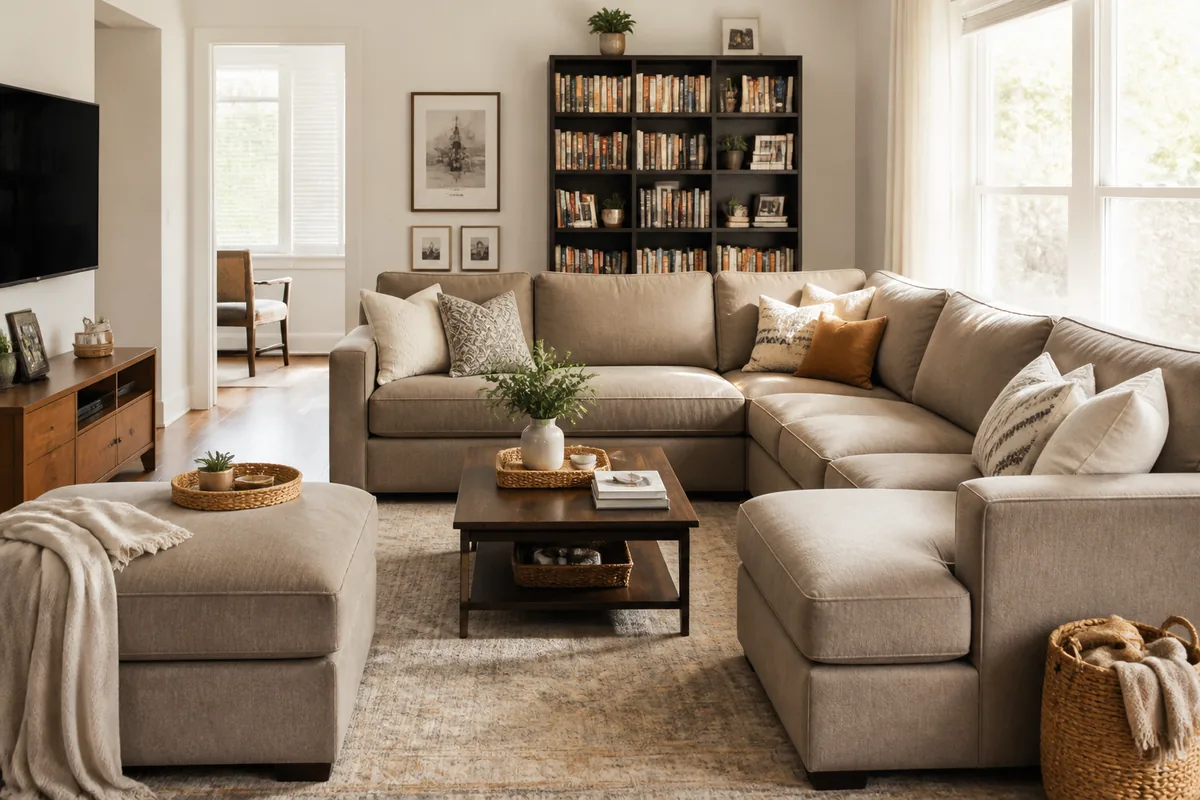
Friday movie night calls for everyone to stretch out, but Saturday guests prefer separate seats and clear conversation. Meanwhile, the household may move next year. A sectional adds generous lounging, yet a sofa and chairs can adapt more easily to a different room.
Choose a sectional for a stable room where shared lounging is the main event. Choose a sofa plus movable chairs when conversation, flexible traffic, or future moves matter more.
Measure the Room You Actually Use
Map the entire outer footprint, chaise projection, and every doorway. For modular pieces, record individual module sizes and connector locations.
What Matters Before You Compare Products
- How often the whole household sits at once
- Whether the layout must change for guests or hobbies
- Delivery, stairs, and the probability of moving
A useful shortlist should solve a specific routine rather than chase the longest feature list. The three formats below cover different household patterns; none is automatically best for everyone.
Three Smart Ways to Shop This Category
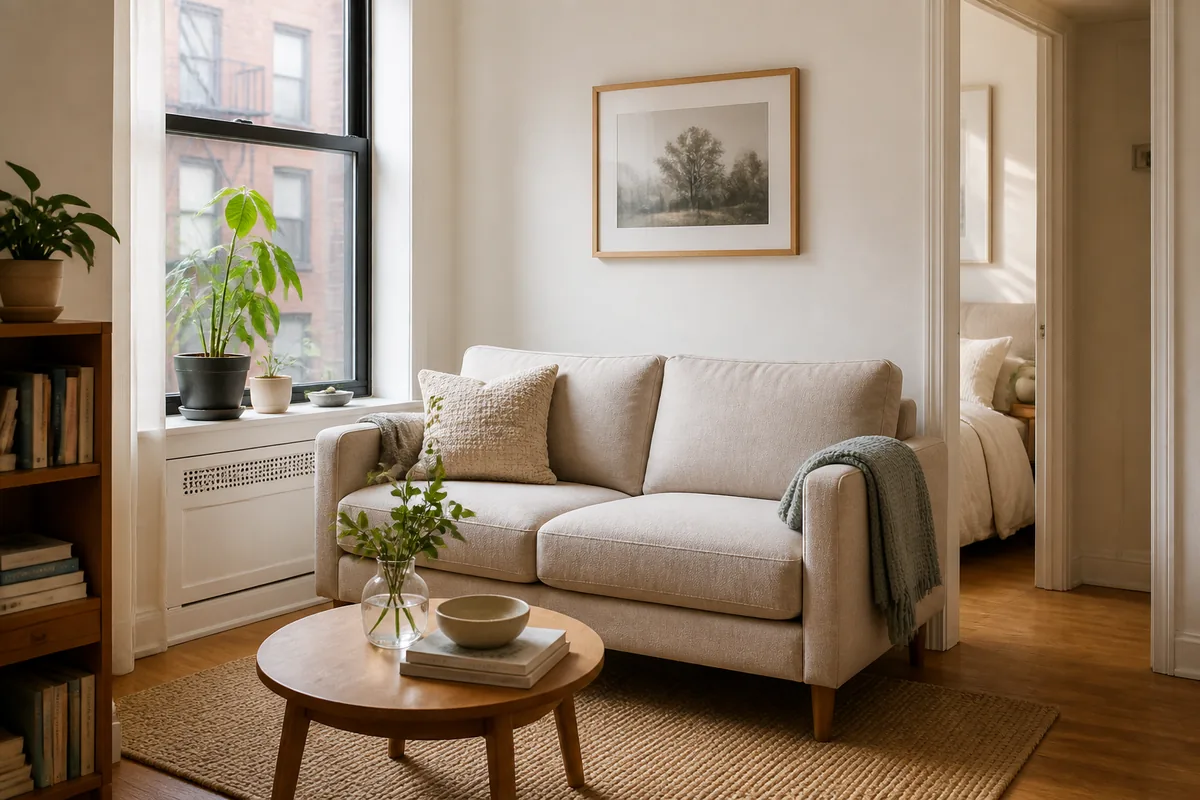
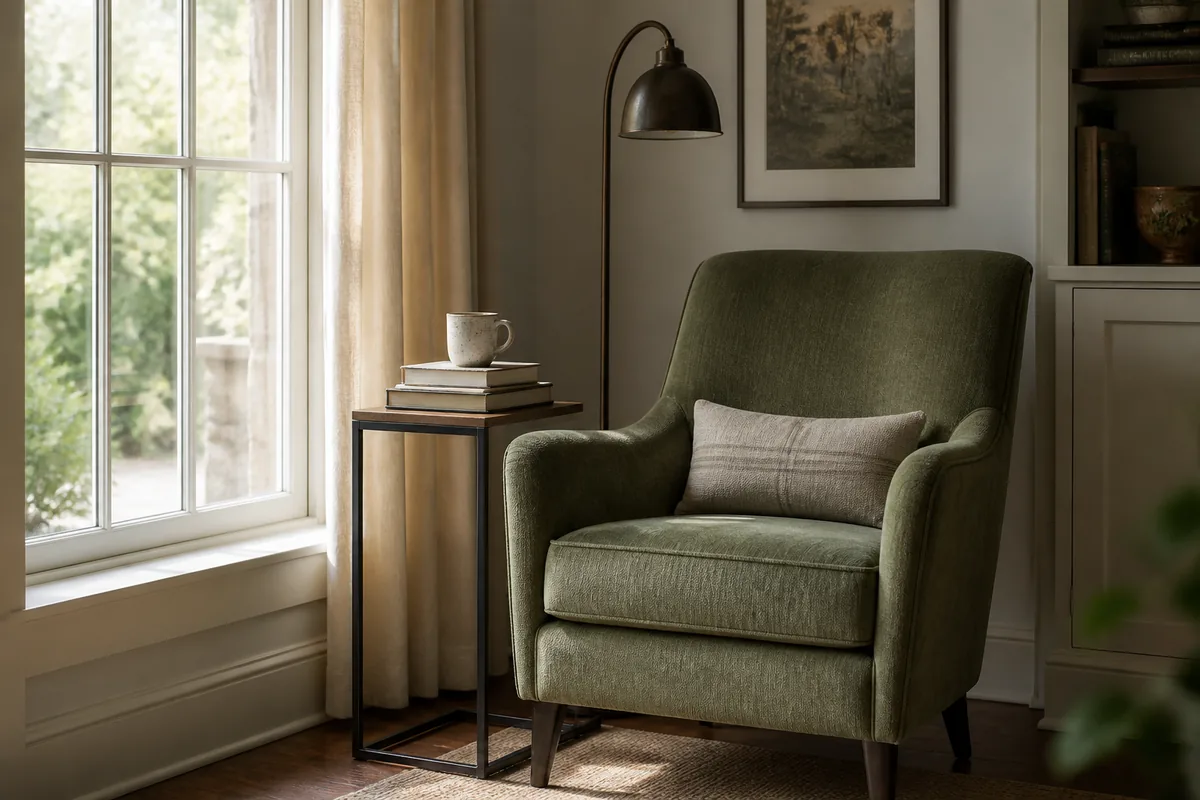
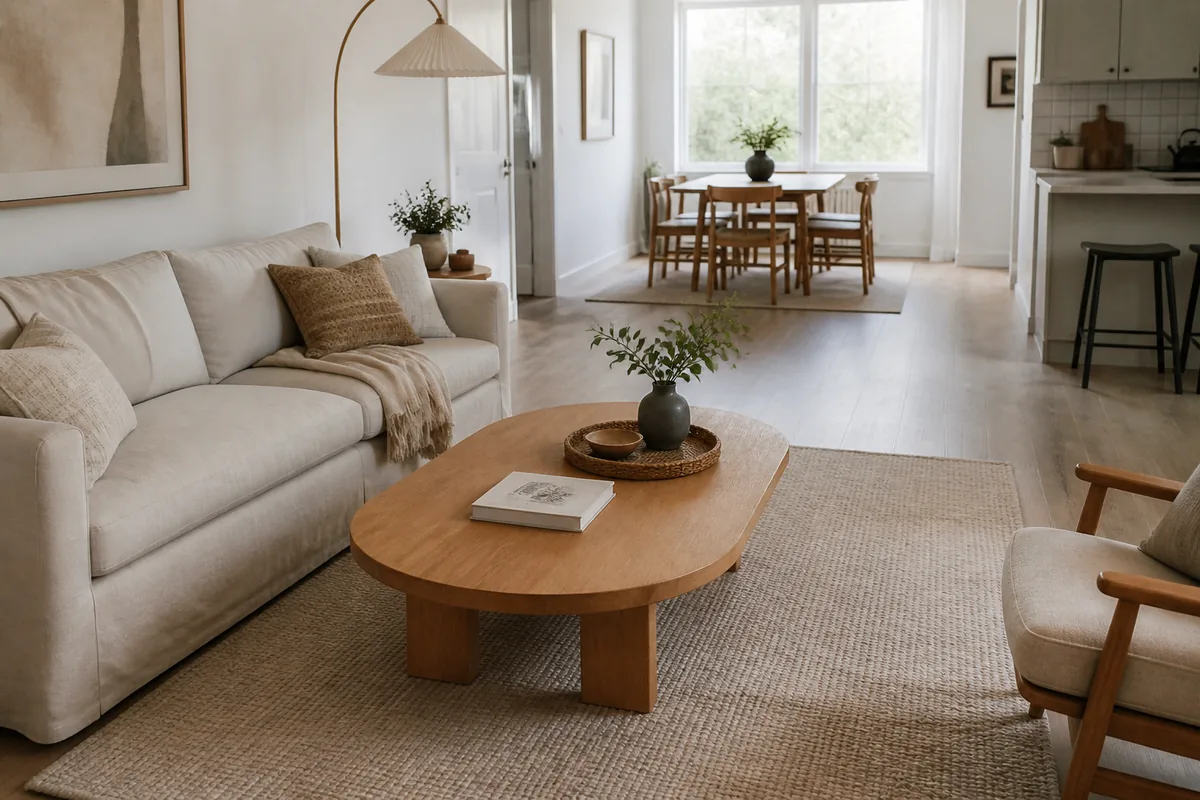
Standard sofa plus two light chairs
Seats can turn toward guests or separate rooms later.
Tradeoff: More individual pieces usually cost more and need coordination.
Browse current optionsReversible-chaise sectional
It supplies a lounge seat without locking the chaise side forever.
Tradeoff: The chaise is often smaller than a full sectional module.
Browse current optionsModular sectional
Modules can form a broad lounging zone and expand later.
Tradeoff: Connectors, gaps, and large total depth need careful checking.
Browse current optionsA Practical Plan Before Checkout
- Recreate the footprint with boxes or chairs for a full evening.
- Count comfortable seats, not advertised seats.
- Plan a side table or reachable surface for every two seats.
Common Buying Mistakes
- Filling every wall simply because the sectional fits
- Assuming all modules can face either direction
- Ignoring where floor vents and outlets land
The PickAbode Verdict
A sofa-and-chairs plan is the lower-risk choice for flexible homes. A modular sectional is worthwhile when lounging is the priority and the room can keep a generous path around it.
Before purchasing, confirm current dimensions, materials, care instructions, delivery terms, returns, warranty, and availability on the retailer or manufacturer page. Product listings and inventory can change after this guide is updated.
Frequently Asked Questions
Do sectionals make rooms look smaller?
They can, especially when the back cuts across a sightline. A low profile and visible floor around the edges help.
Which is easier to move?
A sofa may be one awkward piece, while a modular sectional separates; compare the largest individual component.
Can a sectional float in the room?
Yes, if the back is finished and circulation remains clear on both sides.