How to Plan a Gallery Wall Without Making the Room Feel Busy
Build around one visual anchor, consistent spacing, and art you actually want to revisit.
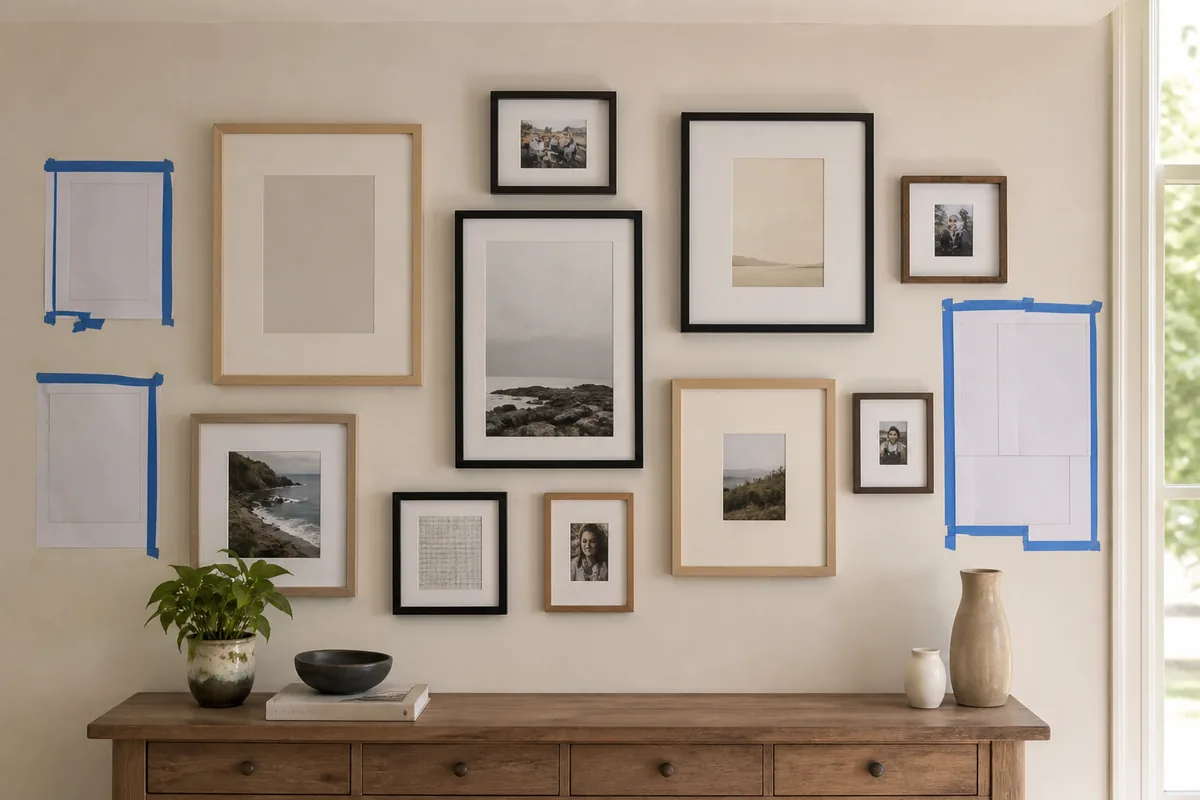
Family photos, a print from a trip, and two small drawings all deserve a place, but arranging them one by one produces a trail of nail holes and a wall with no resting point.
Choose one anchor piece, limit the frame palette, and test the entire composition with paper templates before hanging. Consistent gaps make mixed art feel related.
Measure the Room You Actually Use
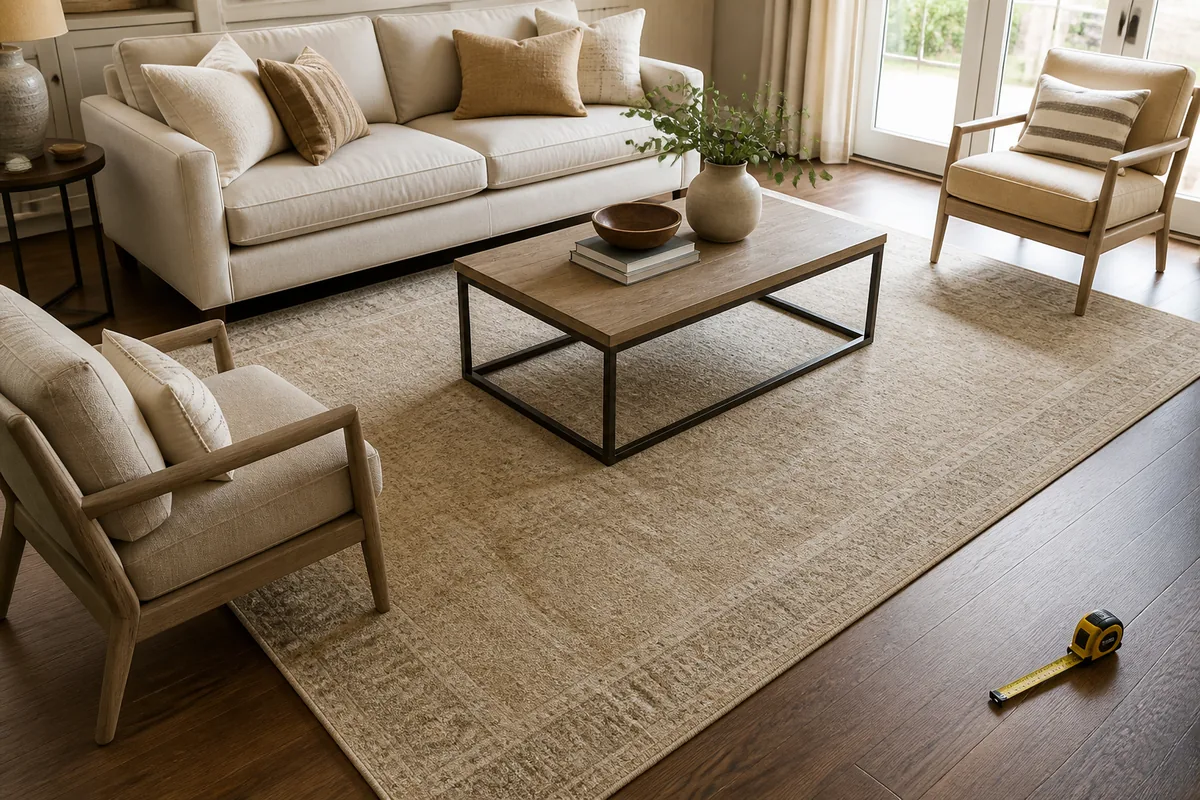
Map the usable wall between furniture, switches, lamps, and door trim. Lay the arrangement on the floor and record total outer dimensions.
What Matters Before You Compare Products
- One dominant piece or strong center of gravity
- Repeatable spacing between frames
- Mounting method matched to frame weight and wall
A useful shortlist should solve a specific routine rather than chase the longest feature list. The three formats below cover different household patterns; none is automatically best for everyone.
Three Smart Ways to Shop This Category
Matching-frame grid
The repeated structure makes varied images feel orderly.
Tradeoff: Precise leveling and consistent crops take work.
Browse current optionsMixed-frame organic layout
Different shapes can grow gradually without looking like a kit.
Tradeoff: It needs a controlled palette to avoid visual noise.
Browse current optionsPicture ledges
Frames can overlap and change without a new hole for each one.
Tradeoff: Ledges project from the wall and collect dust.
Browse current optionsA Practical Plan Before Checkout
- Photograph all candidate pieces together.
- Cut paper templates and live with them for several days.
- Hang the anchor first and work outward from measured marks.
Common Buying Mistakes
- Expanding until the arrangement collides with furniture
- Hanging each frame independently by eye
- Using hardware without checking weight and wall type
The PickAbode Verdict
A limited mixed-frame palette creates the most personal result without chaos. Use a grid when consistent photo sizes and precision suit the room.
Before purchasing, confirm current dimensions, materials, care instructions, delivery terms, returns, warranty, and availability on the retailer or manufacturer page. Product listings and inventory can change after this guide is updated.
Frequently Asked Questions
Do frames need to match?
No. Repeating two finishes or one color family is usually enough.
How high should it be?
Relate the group to the furniture and typical sightline rather than hanging each piece at a separate height.
Can art lean on a ledge?
Yes, when the ledge and installation support the load and the projection is safe for the location.